Latest
issue
Uniting the world of spa & wellness
Get Spa Business and Spa Business insider digital magazines FREE
Sign up here ▸
News   Features   Products   Company profilesProfiles   Press releasesProfiles   Magazine   Handbook   Advertise    Subscribe  
NEWS
Researchers crack the code for exercise motivation
POSTED 14 Apr 2022 . BY Frances Marcellin
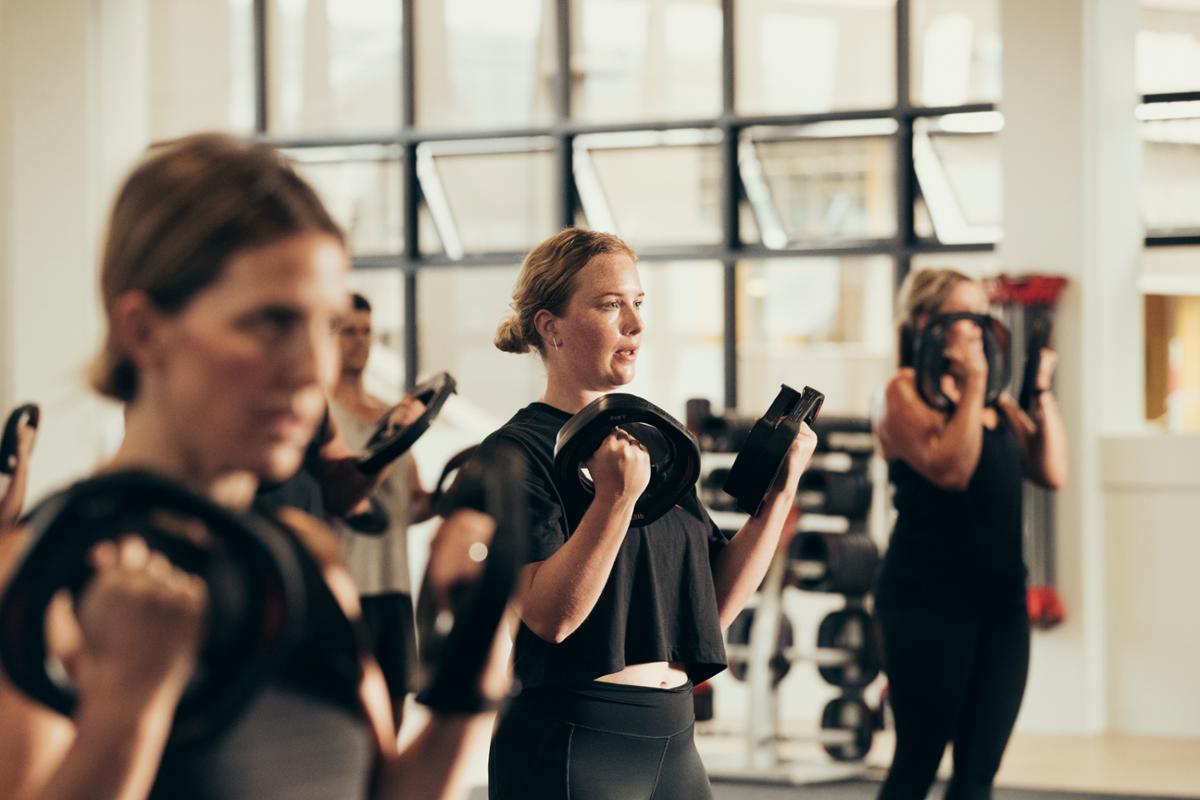
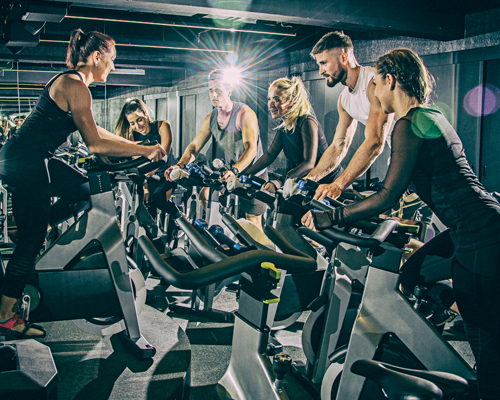
People who achieve automaticity, making exercise a powerful habit, enjoy a wide range of emotional and physical health benefits Credit: Les Mills
A study by the Les Mills Research Lab has found that automaticity is the key to exercise adherance.
Automaticity means behaviours become habits, such as brushing teeth or saying 'please' and 'thank you'.
The trait has wide physical and mental health benefits and can be learned.
Dr Jinger Gottschall, adjunct associate professor at the University of Colorado conducted the study with Bryce Hastings, head of research at Les Mills.
Exercise scientists at the Les Mills Research Lab have identified the trait of automaticity – turning exercise into a habit – as the key differentiator between active and inactive people.

Their research found 100 per cent of active people strongly agreed that exercise is an automatic aspect of their lives, whereas 92 per cent of inactive people disagreed.

The researchers also explored which behaviours and conditions help to instil automaticity – discovering that these habitual behaviours can be learned with the right approach and support.

The pilot study examined two groups – one comprising regular exercisers who had been doing at least 150 minutes per week for the previous 10 years or more and the other comprising people who rarely exercised.

As well as finding substantial differences in the two groups’ approaches to exercise and perceptions of its benefits, the study also identified contrasts in their wider wellbeing.

Over three quarters (77 per cent) of the active group strongly agreed that they’re satisfied with their life in terms of career, relationships, quality of life, financial prospects, and self-esteem, against only 23 per cent of the inactive group.

Meanwhile, 62 per cent of the inactive group felt they lacked control in their daily life, reporting regularly feeling nervous, stressed, and angry or upset about things outside of their control, versus only 38 per cent of the active group.

Outlook on exercise
Unsurprisingly, the active group were more motivated by the physical, mental and self-esteem benefits brought by exercise when compared to the inactive group.

The biggest difference was found in subject’s perceptions of the social benefits of exercise, with 84 per cent of the active group being motivated by the social aspects of exercise (exercise as a source of entertainment, fun, and means of seeing friends), against just 48 per cent of the inactive group.

And 92 per cent of the active group said they always experience positive feelings from exercise, such as enjoyment and feeling energised and accomplished, compared to just 23 per cent of the inactive group.

Blockers and enablers
The active group were more likely to track their exercise and set goals, but the most notable differences were how the active group focused on the health benefits of exercise (82 per cent vs 45 per cent of the inactive group); scheduled specific times for exercise (77 per cent vs 36 per cent), and planned ways to ensure they exercise regardless of conditions (84 per cent vs 38 per cent).

77 per cent of the active group preferred incorporating challenges into their exercise, such as pushing through exhaustion, muscle soreness, and upping the intensity, while 70 per cent of the inactive group said they don’t enjoy challenges.

Lack of motivation, time, and facilities were all seen as bigger barriers to exercise by the inactive group than the active group, but the clearest contrasts were lack of social support (reported by 51 per cent of the inactive group, versus just 8 per cent of the active group); lack of interest in exercising (66 per cent vs 15 per cent); and feeling self-conscious (49 per cent vs 8 per cent).

Dr Jinger Gottschall, adjunct associate professor at the University of Colorado and lead researcher for the study said: “Most people understand that exercise is good for them and a cornerstone of good health, but far fewer of us are able to put this into practice and lead a consistently active lifestyle. Our research finds that automaticity represents the key to long-term exercise adherence and is a key differentiator between active and inactive people.

“The good news is that we’ve identified several practical steps that people can take to embed regular exercise as a full-fledged habit, such as focusing on activities you find enjoyable, managing intensity levels in the early stages and adding social elements to your exercise.

Bryce Hastings, Les Mills' head of research and co-author of the study, added: “What our research shows is that there are substantial differences between seasoned exercisers and complete beginners in how they perceive physical activity and the effect it has on them. For people looking to start exercising more regularly, there are numerous tactics they use to ease themselves in and overcome some of the initial barriers that hold people back.

“Making use of digital fitness options at home to mitigate feelings of self-consciousness, develop technique and find the things you enjoy most can be a great way to dip your toe in the water without having to dive in at the deep end and start live classes straight away. Seeking workouts that allow for autonomy and independence with respect to challenge and complexity will provide the necessary flexibility to find your level and continually progress while adding social elements to your sessions by training with a friend is another great way to reinforce the habit.”

RELATED STORIES
  FEATURE: Research: New generation yoga


Passive relaxation improves heart rate variability. This study shows active interventions can have the same effect
  FEATURE: Functional: The ‘fun’ in functional


Experts share their tips on how to make functional training more fun for members
  FEATURE: Group exercise: The power of groupness


Does your fitness studio off er the antidote to tech-driven loneliness?
  FEATURE: Retention: Pain response


HIIT is hot right now – but are you optimising it for all your members, or are some put off by the pain? We look at ways to ensure a positive experience
MORE NEWS
Luxury resort coming to Hunter Valley will have longevity spa
Private hotel owner and developer HVL Hotels will open a new luxury resort and tourism destination called Laval Hunter Valley in the second half of 2027 in Pokolbin, Australia.
Rocco Forte’s Verdura Resort to host wellness festival Alma near emerging Blue Zone in Sicily
The annual wellness festival dedicated to wellbeing, culture, longevity and human connection, called Alma, will be hosted by Rocco Forte hotel, Verdura Resort in Sicily, Italy.
Feisal Jaffer becomes chief development officer for Capella Hotel Group
Capella Hotel Group has appointed Feisal Jaffer as chief development officer as the company ramps up its global expansion of both its Capella and Patina brands.
Industry mourns the loss of Les Mills, a founding father of fitness
Les Mills, whose name became synonymous with one of the world's leading fitness brands, has passed away peacefully at the age of 91.
+ More news   

FEATURED SUPPLIERS

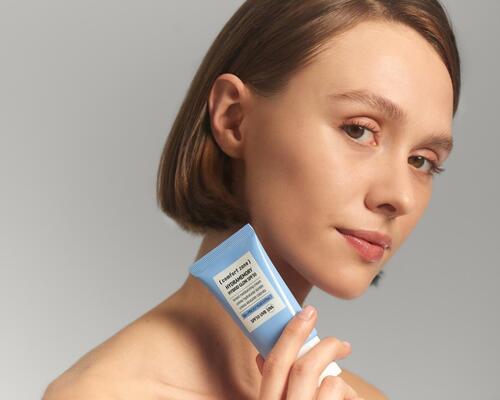
Glow beyond protection: meet Comfort Zone Hydramemory Hybrid Glow SPF 30
Sun protection is no longer just about shielding the skin – it's about enhancing it. [more...]

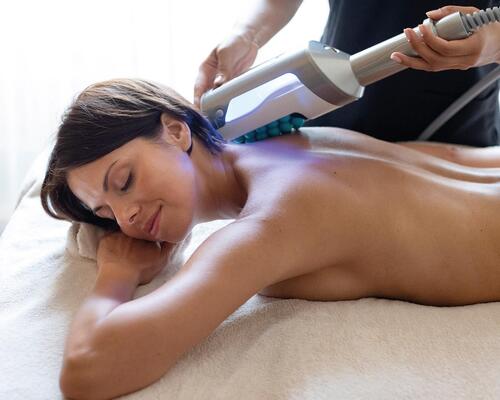
Endospheres' new protocols are designed to meet real client needs
Spa professionals see it every day: clients are arriving with more complex expectations. [more...]
+ More featured suppliers  
COMPANY PROFILES
Lovinfit Group

Lovinfit Group was founded in Parma, Italy in 2016 by a team of doctors, wellness and sports profess [more...]
Cariitti Oy

Cariitti is a Finnish family business founded by Kari Ruokonen in 1998 that offers versatile lightin [more...]
+ More profiles  
CATALOGUE GALLERY
 

+ More catalogues  

DIRECTORY
+ More directory  
DIARY


03-05 Jul 2026

World Championship in Massage

Copenhagen, Copenhagen, Denmark
23-26 Aug 2026

Elevate Spa Riviera Maya Edition

The Riviera Maya Edition Kanai, Playa del Carmen, Mexico
+ More diary  
 
ABOUT LEISURE MEDIA
LEISURE MEDIA MAGAZINES
LEISURE MEDIA HANDBOOKS
LEISURE MEDIA WEBSITES
LEISURE MEDIA PRODUCT SEARCH
 
SPA BUSINESS
SPA OPPORTUNITIES
SPA BUSINESS HANDBOOK
PRINT SUBSCRIPTIONS
FREE DIGITAL SUBSCRIPTIONS
ADVERTISE . CONTACT US

Leisure Media
Tel: +44 (0)1462 431385

©Cybertrek 2026
Uniting the world of spa & wellness
Get Spa Business and Spa Business insider digital magazines FREE
Sign up here ▸
News   Products   Magazine   Subscribe
NEWS
Researchers crack the code for exercise motivation
POSTED 14 Apr 2022 . BY Frances Marcellin
People who achieve automaticity, making exercise a powerful habit, enjoy a wide range of emotional and physical health benefits Credit: Les Mills
A study by the Les Mills Research Lab has found that automaticity is the key to exercise adherance.
Automaticity means behaviours become habits, such as brushing teeth or saying 'please' and 'thank you'.
The trait has wide physical and mental health benefits and can be learned.
Dr Jinger Gottschall, adjunct associate professor at the University of Colorado conducted the study with Bryce Hastings, head of research at Les Mills.
Exercise scientists at the Les Mills Research Lab have identified the trait of automaticity – turning exercise into a habit – as the key differentiator between active and inactive people.

Their research found 100 per cent of active people strongly agreed that exercise is an automatic aspect of their lives, whereas 92 per cent of inactive people disagreed.

The researchers also explored which behaviours and conditions help to instil automaticity – discovering that these habitual behaviours can be learned with the right approach and support.

The pilot study examined two groups – one comprising regular exercisers who had been doing at least 150 minutes per week for the previous 10 years or more and the other comprising people who rarely exercised.

As well as finding substantial differences in the two groups’ approaches to exercise and perceptions of its benefits, the study also identified contrasts in their wider wellbeing.

Over three quarters (77 per cent) of the active group strongly agreed that they’re satisfied with their life in terms of career, relationships, quality of life, financial prospects, and self-esteem, against only 23 per cent of the inactive group.

Meanwhile, 62 per cent of the inactive group felt they lacked control in their daily life, reporting regularly feeling nervous, stressed, and angry or upset about things outside of their control, versus only 38 per cent of the active group.

Outlook on exercise
Unsurprisingly, the active group were more motivated by the physical, mental and self-esteem benefits brought by exercise when compared to the inactive group.

The biggest difference was found in subject’s perceptions of the social benefits of exercise, with 84 per cent of the active group being motivated by the social aspects of exercise (exercise as a source of entertainment, fun, and means of seeing friends), against just 48 per cent of the inactive group.

And 92 per cent of the active group said they always experience positive feelings from exercise, such as enjoyment and feeling energised and accomplished, compared to just 23 per cent of the inactive group.

Blockers and enablers
The active group were more likely to track their exercise and set goals, but the most notable differences were how the active group focused on the health benefits of exercise (82 per cent vs 45 per cent of the inactive group); scheduled specific times for exercise (77 per cent vs 36 per cent), and planned ways to ensure they exercise regardless of conditions (84 per cent vs 38 per cent).

77 per cent of the active group preferred incorporating challenges into their exercise, such as pushing through exhaustion, muscle soreness, and upping the intensity, while 70 per cent of the inactive group said they don’t enjoy challenges.

Lack of motivation, time, and facilities were all seen as bigger barriers to exercise by the inactive group than the active group, but the clearest contrasts were lack of social support (reported by 51 per cent of the inactive group, versus just 8 per cent of the active group); lack of interest in exercising (66 per cent vs 15 per cent); and feeling self-conscious (49 per cent vs 8 per cent).

Dr Jinger Gottschall, adjunct associate professor at the University of Colorado and lead researcher for the study said: “Most people understand that exercise is good for them and a cornerstone of good health, but far fewer of us are able to put this into practice and lead a consistently active lifestyle. Our research finds that automaticity represents the key to long-term exercise adherence and is a key differentiator between active and inactive people.

“The good news is that we’ve identified several practical steps that people can take to embed regular exercise as a full-fledged habit, such as focusing on activities you find enjoyable, managing intensity levels in the early stages and adding social elements to your exercise.

Bryce Hastings, Les Mills' head of research and co-author of the study, added: “What our research shows is that there are substantial differences between seasoned exercisers and complete beginners in how they perceive physical activity and the effect it has on them. For people looking to start exercising more regularly, there are numerous tactics they use to ease themselves in and overcome some of the initial barriers that hold people back.

“Making use of digital fitness options at home to mitigate feelings of self-consciousness, develop technique and find the things you enjoy most can be a great way to dip your toe in the water without having to dive in at the deep end and start live classes straight away. Seeking workouts that allow for autonomy and independence with respect to challenge and complexity will provide the necessary flexibility to find your level and continually progress while adding social elements to your sessions by training with a friend is another great way to reinforce the habit.”

RELATED STORIES
FEATURE: Research: New generation yoga


Passive relaxation improves heart rate variability. This study shows active interventions can have the same effect
FEATURE: Functional: The ‘fun’ in functional


Experts share their tips on how to make functional training more fun for members
FEATURE: Group exercise: The power of groupness


Does your fitness studio off er the antidote to tech-driven loneliness?
FEATURE: Retention: Pain response


HIIT is hot right now – but are you optimising it for all your members, or are some put off by the pain? We look at ways to ensure a positive experience
MORE NEWS
Luxury resort coming to Hunter Valley will have longevity spa
Private hotel owner and developer HVL Hotels will open a new luxury resort and tourism destination called Laval Hunter Valley in the second half of 2027 in Pokolbin, Australia.
Rocco Forte’s Verdura Resort to host wellness festival Alma near emerging Blue Zone in Sicily
The annual wellness festival dedicated to wellbeing, culture, longevity and human connection, called Alma, will be hosted by Rocco Forte hotel, Verdura Resort in Sicily, Italy.
Feisal Jaffer becomes chief development officer for Capella Hotel Group
Capella Hotel Group has appointed Feisal Jaffer as chief development officer as the company ramps up its global expansion of both its Capella and Patina brands.
Industry mourns the loss of Les Mills, a founding father of fitness
Les Mills, whose name became synonymous with one of the world's leading fitness brands, has passed away peacefully at the age of 91.
HCM News: Taking GLP-1s is linked to a decline in physical activity
People taking GLP-1 weight loss medications such as Ozempic, Wegovy, Mounjaro and Zepbound may be losing weight, but they’re also becoming less physically active, according to new research presented at the ENDO 2026 annual meeting of the Endocrine Society
Mubadala makes €1 billion bid for Pierre and Vacances
Abu Dhabi-based investment firm Mubadala Capital has made a binding, fully financed €1 billion offer to acquire Pierre and Vacances SA, the European holiday resort operator behind the continental European Center Parcs business.
+ More news   
 
FEATURED SUPPLIERS

Glow beyond protection: meet Comfort Zone Hydramemory Hybrid Glow SPF 30
Sun protection is no longer just about shielding the skin – it's about enhancing it. [more...]

Endospheres' new protocols are designed to meet real client needs
Spa professionals see it every day: clients are arriving with more complex expectations. [more...]
+ More featured suppliers  
COMPANY PROFILES
Lovinfit Group

Lovinfit Group was founded in Parma, Italy in 2016 by a team of doctors, wellness and sports profess [more...]
+ More profiles  
CATALOGUE GALLERY
+ More catalogues  

DIRECTORY
+ More directory  
DIARY


03-05 Jul 2026

World Championship in Massage

Copenhagen, Copenhagen, Denmark
23-26 Aug 2026

Elevate Spa Riviera Maya Edition

The Riviera Maya Edition Kanai, Playa del Carmen, Mexico
+ More diary  


ADVERTISE . CONTACT US

Leisure Media
Tel: +44 (0)1462 431385

©Cybertrek 2026

ABOUT LEISURE MEDIA
LEISURE MEDIA MAGAZINES
LEISURE MEDIA HANDBOOKS
LEISURE MEDIA WEBSITES
LEISURE MEDIA PRODUCT SEARCH
PRINT SUBSCRIPTIONS
FREE DIGITAL SUBSCRIPTIONS